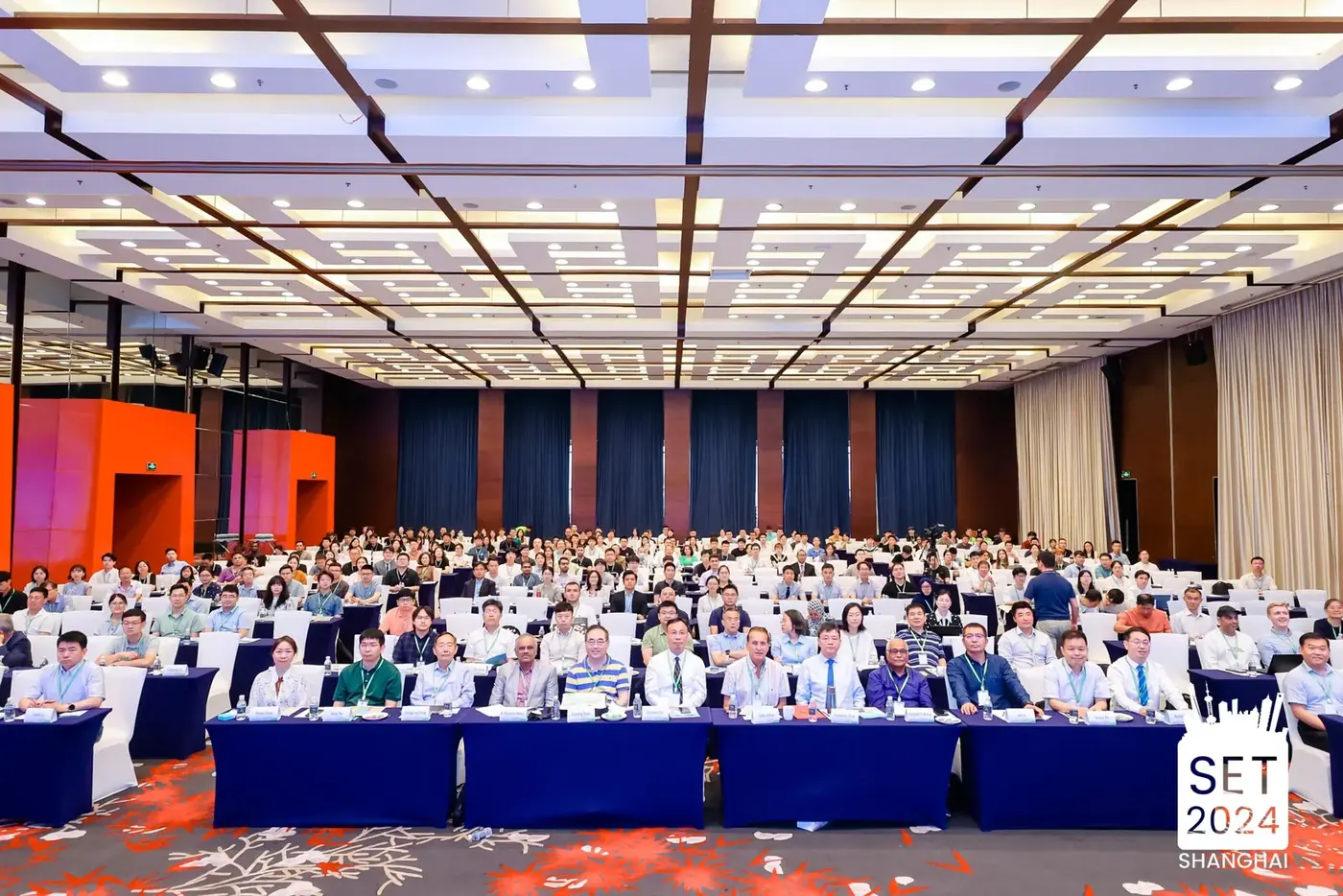
21st International Conference on Sustainable Energy Technologies

SET2024

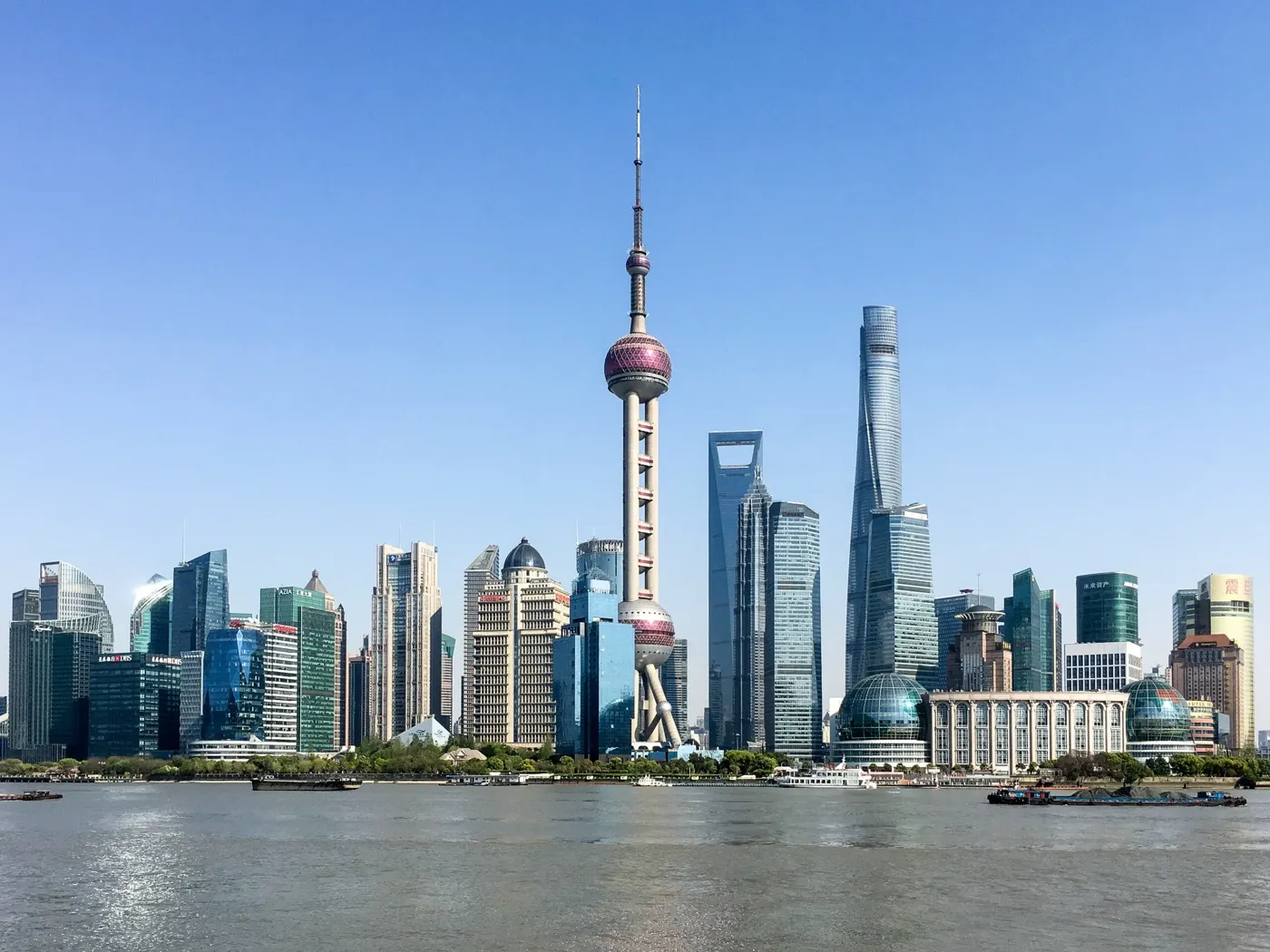
Held 12 to 14 August 2024 in Shanghai

Venue
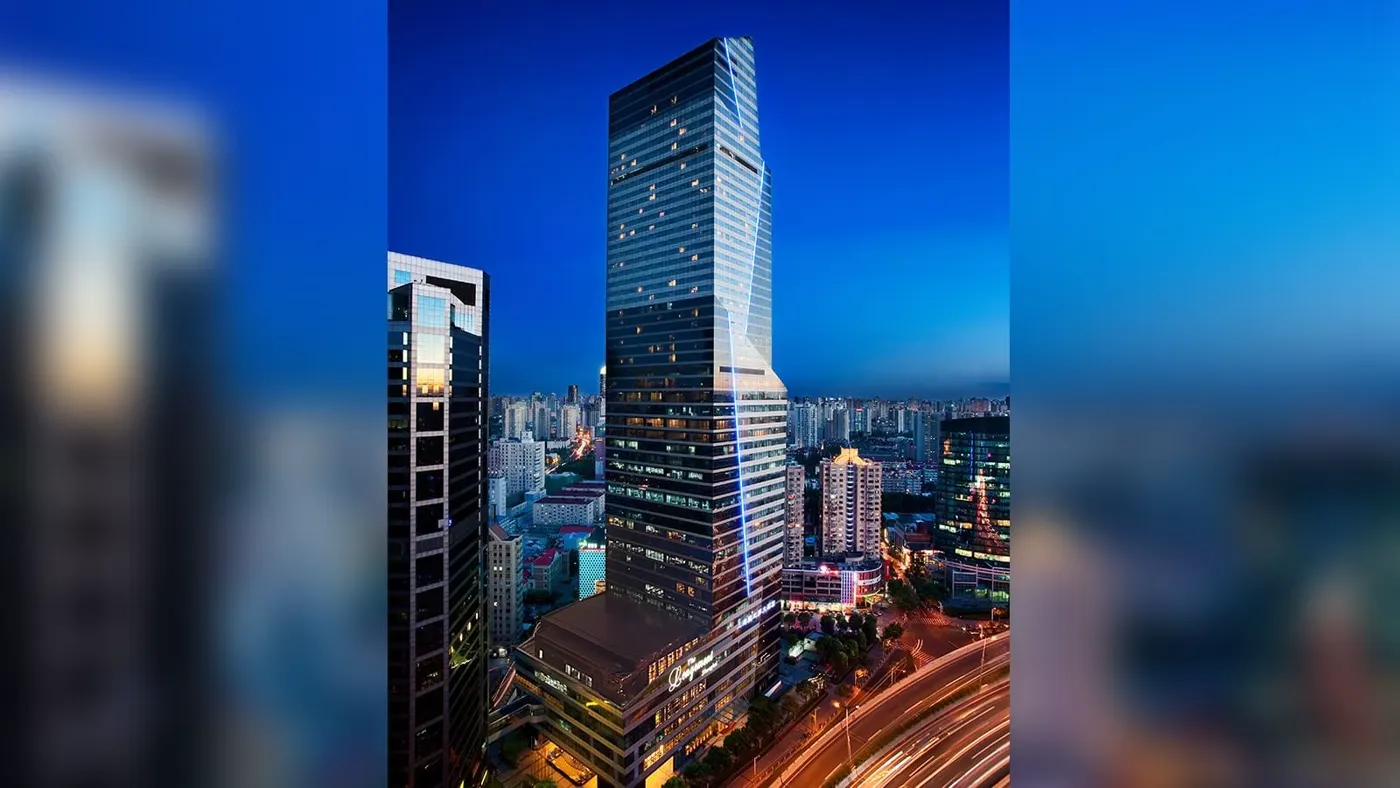
The Longemont Shanghai
Conference Chair
Professor Saffa Riffat
Co-Chair
Professor Zhongzhu Qiu
Organised by
Hosted by
12 to 14 August 2024

How the
conference ran.

Keynote lectures each morning, parallel sessions through the afternoons, posters between them, and the awards at the gala dinner.

Find your session
Day 1

Monday 12 August 2024

  • Keynote 1 Long-Duration Energy Storage: the Bridge to a Net Zero Future Professor Tianshou Zhao
  • Keynote 2 Challenges and Delivery of Academic Institutional Sustainability: Case Study University of Southampton, UK Professor AbuBakr S. Bahaj, University of Southampton, United Kingdom
  • Keynote 3 Applications of renewable energy and hybrid energy storage technologies towards carbon neutrality in Hong Kong Professor Hongxing Yang

Opening ceremony · Poster session · Parallel sessions · Five minute presentations, first sets · Five minute presentations, second sets

Day 2

Tuesday 13 August 2024

  • Keynote 4 Use of Silicon in Renewable Energy Technologies Professor Zhengrong Shi
  • Keynote 5 Heat pump and heat storage helps to reconstruct carbon neutral energy Professor Ruzhu Wang
  • Keynote 6 Indoor Environment Creation under the Goal of Carbon Neutrality Professor Yingxin Zhu
  • Industrial Talk Thermal Energy Storage Global Application Examples Zafer Ure

Poster session · Parallel sessions · Gala dinner and awards

Day 3

Wednesday 14 August 2024

  • Keynote 7 Excellent Indoor Climate and Demand Site Management in European Perspective Professor Risto Kosonen, Aalto University, Finland
  • Keynote 8 Progress of the flexible bended photovoltaic module and its curved building applications Professor Jie Ji, University of Science and Technology of China, China
  • Keynote 9 A novel hybrid photovoltaic and thermal power system integrated with thermal regenerative electro-chemical cycle Professor Xudong Zhao, University of Hull, United Kingdom
  • Keynote 10 Thermal Energy Storage Systems for Solar Industrial Process Heat System Professor K. Srinivas Reddy

Poster session · Parallel sessions · Closing ceremony

SET2024

Keynote lectures

Open a lecture for the speaker's biography, the chair and when it was given.

Keynote 1 · Mon 12 Aug Professor Tianshou Zhao Long-Duration Energy Storage: the Bridge to a Net Zero Future

Flow cells are those in which a flowable storage medium (hydrogen, methanol, ammonia, liquid electrolytes) allows decoupling power and energy. This talk will show that flow cells are scalable, safe, and particularly flexible in storage duration and site selections. Therefore, flow cells will become game-changing technologies to facilitate the widespread deployment of renewables. In particular, we will show that common scientific issues and practical challenges pertaining to flow cell technologies can be addressed by an interdisciplinary approach combining electrochemistry and engineering thermophysics.

Mon 12 Aug, 09:30-10:10

Keynote 2 · Mon 12 Aug Professor AbuBakr S. Bahaj University of Southampton, United Kingdom Challenges and Delivery of Academic Institutional Sustainability: Case Study University of Southampton, UK

In response to the climate emergency, cities and towns around the world have declared approaches to support the Paris Climate Agreement. As a resident of the City of Southampton and a signatory to its Green City Charter, the University of Southampton launched its Sustainability Strategy in 2020, which outlined targets to reduce its carbon emissions and integrate sustainability into all its operations. The strategy is based on six goals: the first three deal with emissions and the other three address operational sustainability in teaching, research and investment. This keynote outlines the history, the planning and the ongoing execution of that strategy and provides initial results for its six goals.

Mon 12 Aug, 10:40-11:20 · Chair: Professor Ruzhu Wang

Keynote 3 · Mon 12 Aug Professor Hongxing Yang Applications of renewable energy and hybrid energy storage technologies towards carbon neutrality in Hong Kong

The world's major economies, including China, have set targets to achieve carbon neutrality by the middle of this century, and the Hong Kong SAR Government has announced that it would achieve carbon neutrality by 2050. This study focuses on how to use renewable energy and hybrid storage technologies in Hong Kong to achieve that target. A net-zero carbon energy supply and possible storage mix strategy for a typical high-density coastal city is proposed, and a transient simulation optimisation model of mixed energy fuel and storage systems is developed.

Mon 12 Aug, 11:20-12:00

Keynote 4 · Tue 13 Aug Professor Zhengrong Shi Use of Silicon in Renewable Energy Technologies

Silicon is the second most abundant element in the earth's crust. It is chemically and mechanically stable and nontoxic, and it has been widely used in semiconductor and photovoltaic industries. This talk presents applications of silicon in photovoltaics, lithium based electrochemical batteries, phase change thermal energy storage, and hydrogen electrolyser and fuel cell stacks.

Tue 13 Aug, 08:40-09:20 · Chair: Professor Xudong Zhao

Keynote 5 · Tue 13 Aug Professor Ruzhu Wang Heat pump and heat storage helps to reconstruct carbon neutral energy

Heat pumps can efficiently convert electricity and low temperature heat into high temperature heat, and research has shown that comprehensive application can achieve a reduction in carbon emissions for the whole of society. Because they pump heat, they can conveniently improve the thermal energy grade, reducing the dependence on the phase change temperature of thermal storage materials and so allowing low-cost, high-safety, high-density storage configurations. China has a world leading heat pump industry, and its heat storage industry has also begun to rise.

Tue 13 Aug, 09:20-10:00

Keynote 6 · Tue 13 Aug Professor Yingxin Zhu Indoor Environment Creation under the Goal of Carbon Neutrality

China has made it national policy to achieve carbon neutrality by 2060. The building sector accounts for a third of society's carbon emissions, so it has an obligation to help. This talk proposes new indoor environment strategies to meet the needs of health, comfort and low carbon, reforming both the supply side and the use side of building energy: full electrification, renewable and natural energy, waste heat recovery, lower demand, and technologies that provide personalised and precise service to indoor targets.

Tue 13 Aug, 10:30-11:10 · Chair: Professor Yanping Yuan

Industrial Talk · Tue 13 Aug Zafer Ure Thermal Energy Storage Global Application Examples

Thermal energy storage is the temporary storage of high or low temperature energy for later use, bridging the gap between when energy is available and when it is wanted. For heating, cooling and refrigeration, water and water ice are the principal media, but phase change materials between 4C and 90C open new options for load shifting, waste energy recovery and free energy applications. The talk presents practical application examples from around the world in a form that helps engineers and consultants design low energy systems.

Tue 13 Aug, 11:10-11:40

Keynote 7 · Wed 14 Aug Professor Risto Kosonen Aalto University, Finland Excellent Indoor Climate and Demand Site Management in European Perspective

Buildings and construction play a significant role in the fight against climate change and in achieving carbon neutrality. The existing building stock is renovated by only about one to two per cent a year, so it is where the effectiveness lies. The European Union calls for major carbon emission reductions in the building sector through deep renovation, which can cut a large share of the CO2 emissions of buildings' energy use in a cost neutral way. Integrating variable renewable energy is one of the key questions in future carbon-free energy systems.

Wed 14 Aug, 08:40-09:20 · Chair: Professor Zhongzhu Qiu

Keynote 8 · Wed 14 Aug Professor Jie Ji University of Science and Technology of China, China Progress of the flexible bended photovoltaic module and its curved building applications

Curved shapes are common in architectural design, so how to apply building-integrated photovoltaics to a curved building is worth studying. Flexible photovoltaic cells bend to specific curved shapes and can be applied to curved installations. This talk introduces the concept, presents the achievements of flexible photovoltaic cells in China, investigates photoelectric performance under the non-uniform irradiance distribution across curved cells, and proposes curved building-integrated photovoltaic and thermal systems for roofs and facades.

Wed 14 Aug, 09:20-10:00

Keynote 9 · Wed 14 Aug Professor Xudong Zhao University of Hull, United Kingdom A novel hybrid photovoltaic and thermal power system integrated with thermal regenerative electro-chemical cycle

Wed 14 Aug, 10:30-11:10 · Chair: Professor Jie Ji

Keynote 10 · Wed 14 Aug Professor K. Srinivas Reddy Thermal Energy Storage Systems for Solar Industrial Process Heat System

Thermal energy storage matters to the reliability of solar thermal technologies for industrial process heat. This talk covers the design and development of solar energy systems with thermal energy storage for industrial and agricultural process heat applications, including desalination for potable water and wastewater treatment, ceramic industrial process heat, and jaggery production, with thermo-economic and environmental analyses of each.

Wed 14 Aug, 11:10-11:50

Invited speakers
  • Professor Gang Pei
  • Professor Mingjia Li
  • Dr Michele Bottarelli
  • Professor Hengyun Zhang
  • Professor Fashe Li
  • Dr Chunying Li
  • Professor Yongkang Sun
  • Professor Xingxing Zhang
  • Dr Tao Ma
  • Professor Amin Al-Habaibeh
  • Dr Shine Win Naung
  • Professor Jiang Wu
  • Dr Beatrice Pulvirenti
  • Mr Michael Farnsworth
  • Professor Yongcai Li
  • Professor Mathias Fraaß
  • Professor Cheng Fan
  • Professor Wei Ye
  • Professor Peng Xu
  • Dr Erdem Cuce
  • Professor Wei He
  • Dr Mardiana Idayu Ahmad
  • Professor Songtao Hu
  • Professor Fang Liu
The programme

Find your session

The parallel sessions, by day, with the room and the time. The full programme carries every talk, the poster sessions and everything else the days held.

  • S1 Session 1 Radiative Cooling 13:15
  • S2 Session 2 Heat Storage Materials 13:15
  • S3 Session 3 Climate and Ventilation Systems 13:15
  • S4 Session 4 13:15
  • S5 Session 5 13:15
  • S6 Session 6 Photovoltaics 15:45
  • S7 Session 7 Energy Storage and Management 15:45
  • S8 Session 8 15:45
  • S9 Session 9 15:45
  • S10 Session 10 Energy Consumption Evaluation and Optimisation 15:45
  • S11 Session 11 Wind 13:00
  • S12 Session 12 Hydrogen 13:00
  • S13 Session 13 Energy Systems Modelling 13:00
  • S14 Session 14 13:00
  • S15 Session 15 Solar Energy Technologies 15:30
  • S16 Session 16 Heat Pump Systems and Energy Recovery 15:30
  • S17 Session 17 Sustainable Building Materials 15:30
  • S18 Session 18 Thermal Comfort 15:30
  • S19 Session 19 Energy Management Optimisation 15:30
  • S20 Session 20 Thermal Analysis 15:30
  • S21 Session 21 Phase Change Materials 13:15
  • S22 Session 22 Biomass 13:15
  • S23 Session 23 13:15
  • S24 Session 24 13:15
The second night

The Gala Dinner.

18:45

The Society's awards

Research Spark

Five minutes each, for early-career researchers and students, then a shared panel. The best of them is named at the dinner.

Who ran it

The committee

  • Conference Chair Professor Saffa Riffat President of WSSET
  • Co-Chair Professor Zhongzhu Qiu Shanghai University of Electric Power

Organising committee

  • Professor Hongbo Ren Shanghai University of Electric Power
  • Dr Tao Zhang Shanghai University of Electric Power
  • Dr Yi Fan Shanghai University of Electric Power
  • Dr Emmanuel Tapia Brito University of Nottingham
  • Dr James Riffat University of Nottingham
  • Ms Zeny Amante-Roberts University of Nottingham
  • Dr Ziwei Chen University of Nottingham
Scientific committee
  • Ahmed Freewan Jordan University of Science and Technology, Jordan
  • Ali Kilicarslan Hitit University, Türkiye
  • Andrei Chamchine University of Central Lancashire, United Kingdom
  • Arif Hepbasli Yasar University, Türkiye
  • Armando Oliveira University of Porto, Portugal
  • Beatrice Pulvirenti University of Bologna, Italy
  • Cagri Kutlu University of Nottingham, United Kingdom
  • Chi Hwa Wang National University of Singapore, Singapore
  • Chris Benson University of Nottingham, United Kingdom
  • Devrim Aydin Eastern Mediterranean University, Cyprus
  • Ehsan Baniasadi University of Isfahan, Iran
  • Hasila Jarimi Universiti Kebangsaan Malaysia, Malaysia
  • Hongbing Chen Beijing University of Civil Engineering and Architecture, China
  • Hongxing Yang Hong Kong Polytechnic University, Hong Kong
  • Ibrahim Dincer Ontario Tech University, Canada
  • Ji Jie University of Science and Technology of China, China
  • Jihad Awad Ajman University, United Arab Emirates
  • Jitiporn Wongwatcharapaiboon Thammasat University, Thailand
  • Jiufa Chen Southeast University, China
  • Jo Darkwa University of Nottingham, United Kingdom
  • John Calautit University of Nottingham, United Kingdom
  • Li Shao University of Reading, United Kingdom
  • Liben Jiang University of Central Lancashire, United Kingdom
  • Lizhi Zhang South China University of Technology, China
  • Mahmut Sami Buker Solimpeks Solar, Türkiye
  • Mardiana Idayu Ahmad Universiti Sains Malaysia, Malaysia
  • Mat Santamouris University of Sydney, Australia
  • Michele Bottarelli University of Ferrara, Italy
  • Muhyiddine Jradi University of Southern Denmark, Denmark
  • Norhayati Mat Wajid Public Works Department of Malaysia, Malaysia
  • Pei Gang University of Science and Technology of China, China
  • Peter Lund Aalto University, Finland
  • Risto Kosonen Aalto University, Finland
  • Xiaofeng Zheng University of Nottingham, United Kingdom
  • Yanan Zhang University of Nottingham, United Kingdom
  • Young Chin-Huai National Taiwan University of Science and Technology, Taiwan
  • Yuehong Su University of Nottingham, United Kingdom
  • Zafer Utlu Halic University, Türkiye
  • Ziwei Chen University of Nottingham, United Kingdom
The venue

The Longemont Shanghai.

In Changning, on West Yan'an Road, with the conference in the hotel and the sessions on its fourth floor.

1116 West Yan'an Road, Changning District, Shanghai

Host

Shanghai University of Electric Power hosted the conference. Its President, Professor Chunhua Gu, opened it with the President of the Society.

The evening

The gala dinner and the Innovation Awards ceremony were held on the second day.

After the conference

Where the papers go.

The serial

Aims and scope, author guidelines, publication policies and every volume the Society has published.

SET Proceedings

Affiliated journals

Selected papers are recommended to the Society's affiliated journals after peer review.

The journals
Next

SET2026, Kuala Lumpur.

13 to 15 August 2026